Curriculum Overview

Curriculum

Every Moment is an Invitation
to Discover

We view learning as a process rather than a destination—it is woven into every moment, every interaction, and in the environment. Each day presents new opportunities to explore, question, and learn in ways that are meaningful, engaging, and deeply personal. Students are not just recipients of knowledge; they are co-creators of their learning experiences. Our learning pathway offers a continuity of internationally-recognised educational programmes from pre-school, primary to high school for your child progress naturally.

EtonHouse Curriculum Framework

The Social Child

The Child as a Communicator

The Thinking Child

The Physical Child

Creative Expression & Enjoyment Through Arts

The Child as Agent of Change

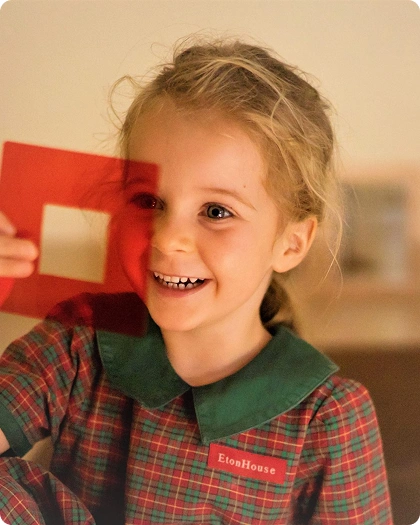
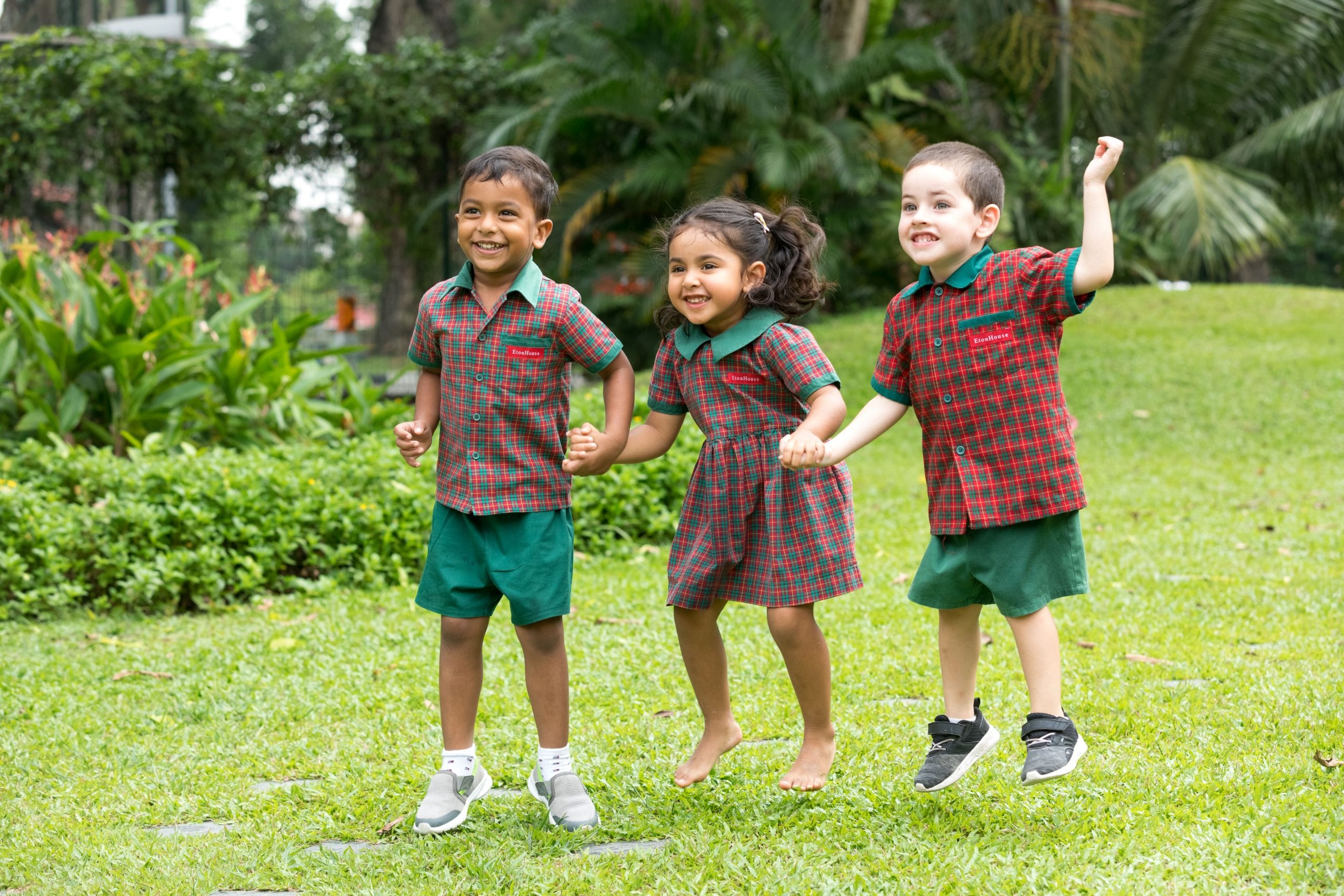
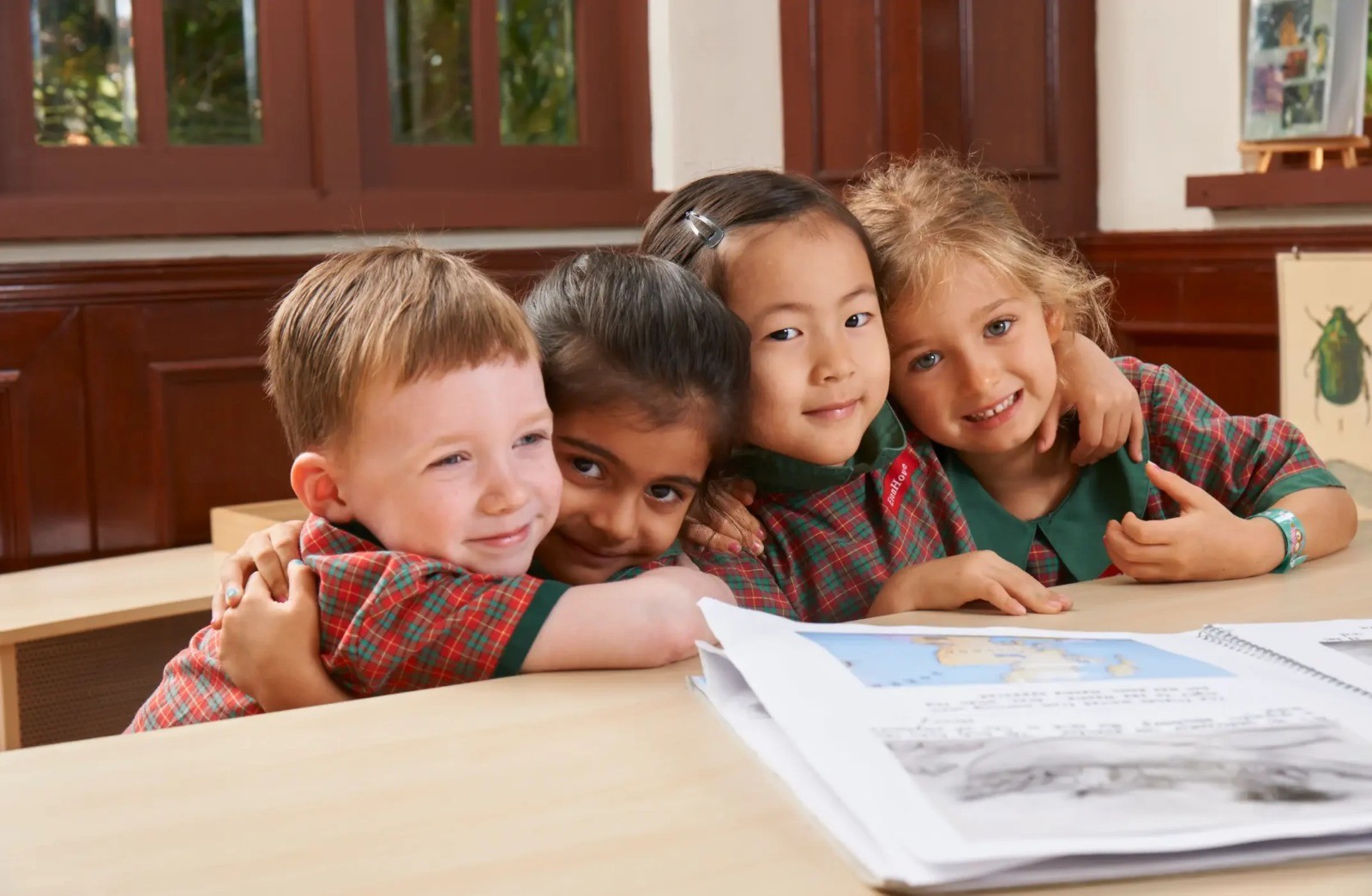
Children develop essential social and communication skills—listening, speaking, negotiating and building self-confidence—within a nurturing, collaborative, and diverse environment.

Focusing on listening, speaking, reading and writing, children gain literacy and effective self-expression alongside comprehension and communication skills.

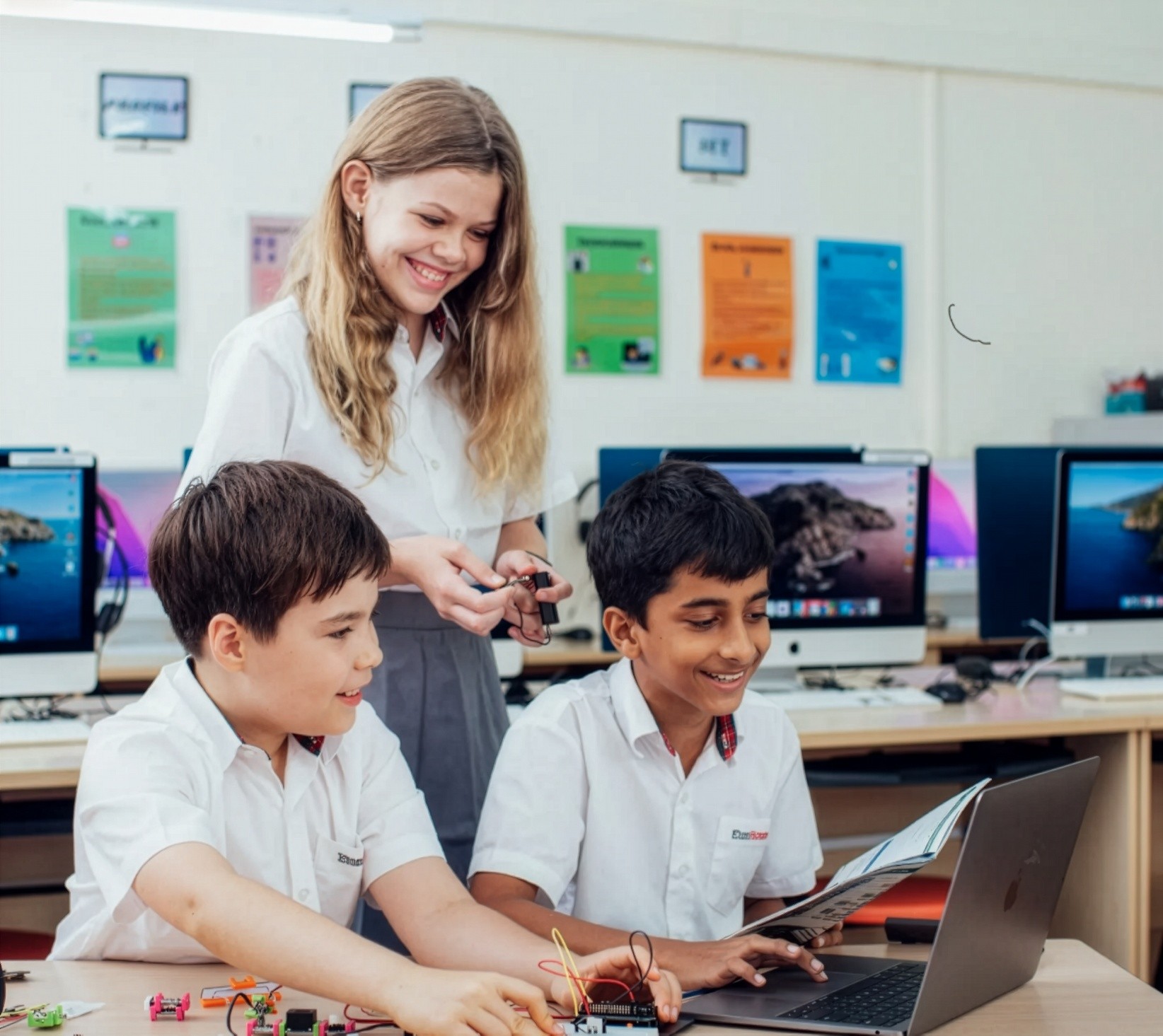
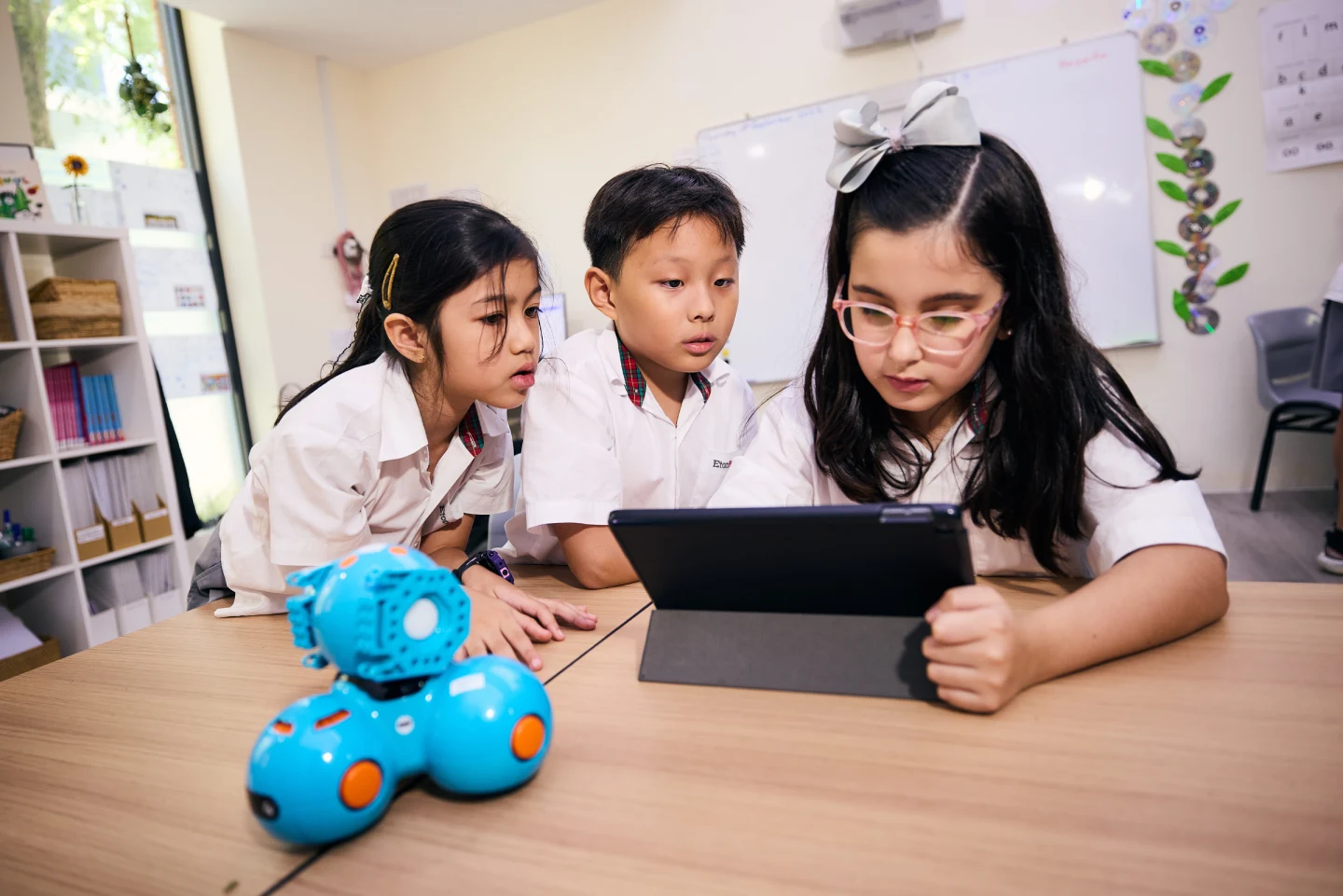
Through Mathematics, Science and Technology, children explore concepts, develop logic, problem-solving and critical thinking skills.

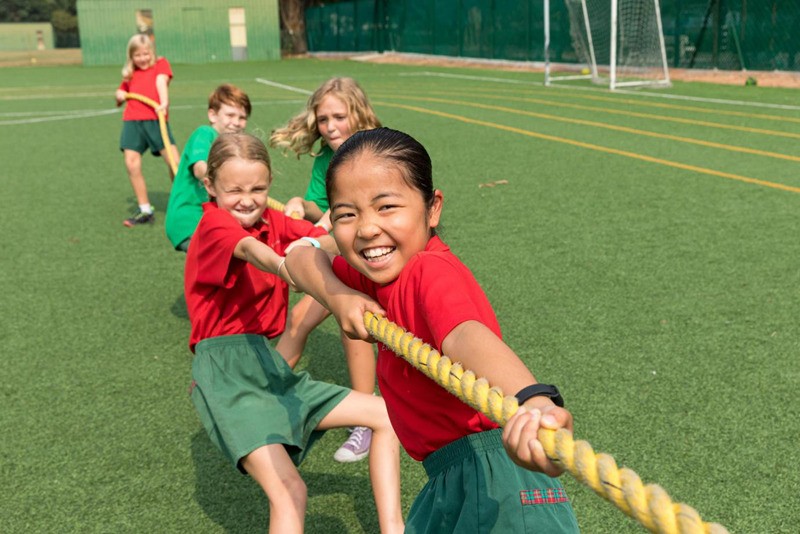
Children learn about physical health, safety and nutrition while developing fine and gross motor skills.
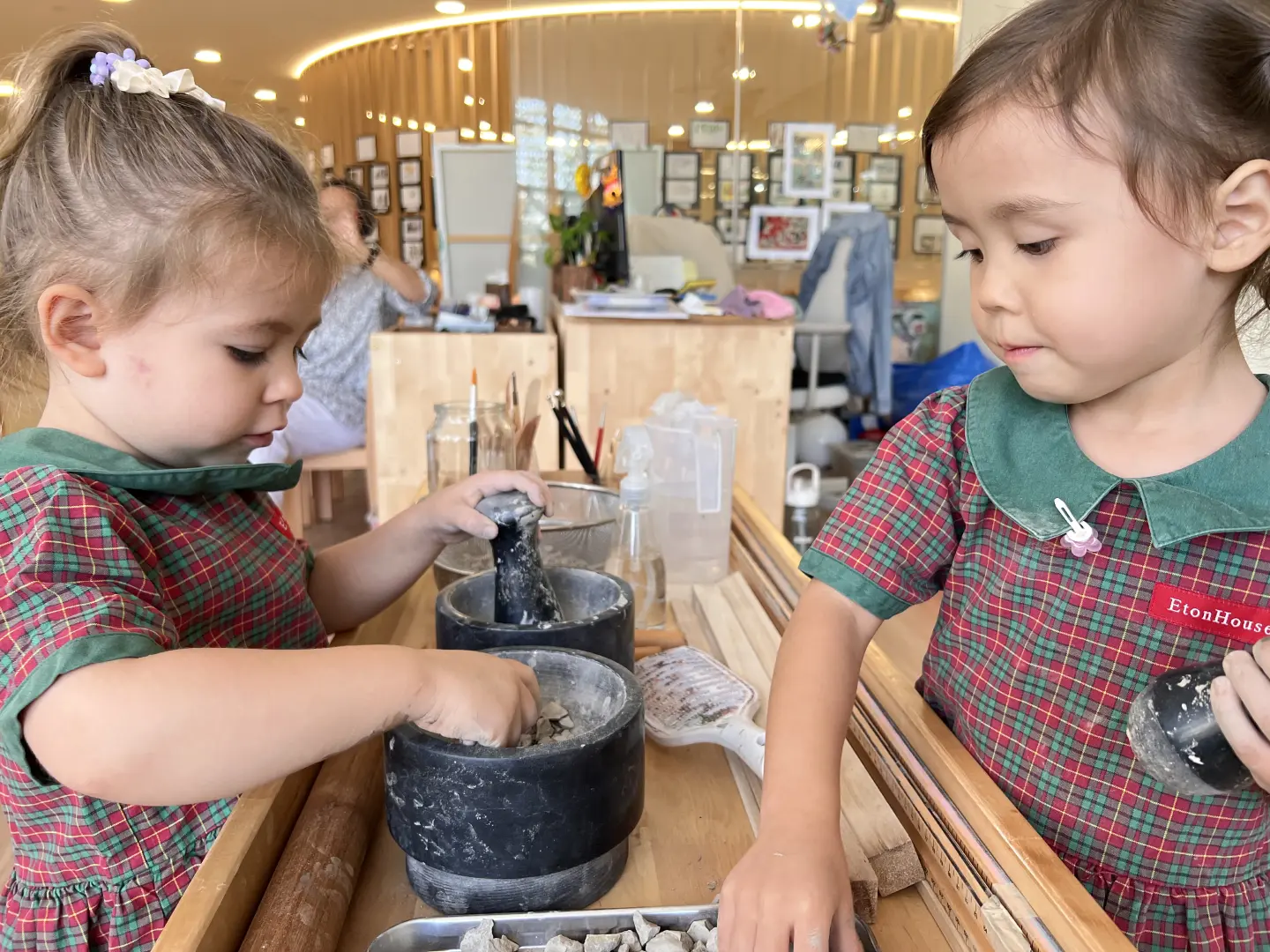
Children engage with the arts through creating, performing or appreciating, fostering creativity, enjoyment and self-expression.

Children cultivate environmental awareness, social responsibility and an understanding of how their actions can positively impact the world from an early age.

Culture and global awareness are integrated across all domains, reflecting EtonHouse’s mission to develop confident, capable and compassionate global citizens.
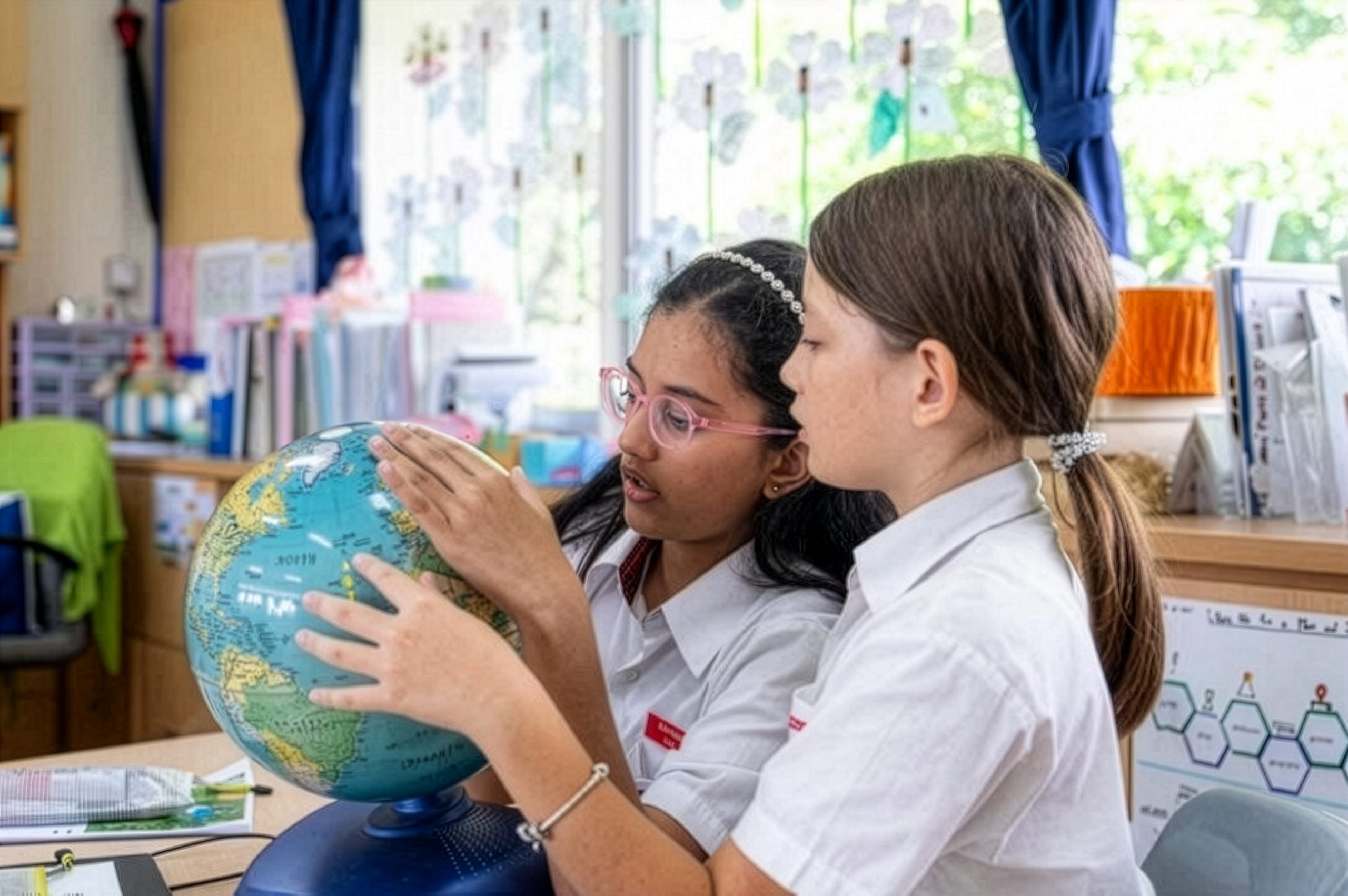

The UK International Primary Curriculum (IPC) is a comprehensive curriculum based on the English National Curriculum adapted for international primary schools, with reference to an inquiry-based approach to learning. It has a clear learning process and specific learning goals, designed to appeal to children’s interests and help them learn more about the world. First introduced in 2000, it is one of the fastest-growing international primary school programmes globally. There are over 1,000 IPC schools in more than 90 countries.

At the heart of the IPC curriculum is a set of rigorous and holistic subject, personal and international learning goals.​

• Subject Goals

Cover the knowledge, skills and understanding that children should learn in.

• International Goals

Help learners move towards a national, international, global and intercultural perspective on the world around them whilst developing the capacity to take action and make a difference.

• Personal Goals

Underpin the individual qualities and dispositions that learners need to thrive in an ever-changing world. The eight IPC personal goals include adaptability, cooperation, respect, thoughtfulness, communication, morality, enquiry and resilience.

The units of study within the IPC curriculum take on a thematic approach, weaving together different learning goals and subjects in an integrated and logical way. It can be adapted to children’s interests and level of understanding to ensure that learners take ownership and are enthusiastic about their learning. These enable elementary school-aged learners to make meaning of their new knowledge, show their skills and apply their understanding to the real world.

We adopt Singapore Maths into our curriculum to provide learners with the knowledge, skills and understanding to prepare them for success in the 21st Century.

We use real-life applications to develop learners’ thinking and solidify their understanding. Instead of simply memorising formulas, we equip students with the ability to use mathematical knowledge to solve problems in their lives.
One main characteristic of Singapore Maths is using heuristics to help learners decide the best way to solve a problem. The process of learning and applying heuristics helps develop children’s critical thinking and problem-solving abilities. These are essential skills to ensure our students are well prepared for the next steps of their education journey.

Happiness and wellbeing are built into the very fabric of our school and culture.

We understand the importance of an effective student wellbeing programme in school to provide our learners with the tools to manage their emotions, feelings and to handle conflicts independently and mindfully.

Progressing into Secondary and Sixth Form

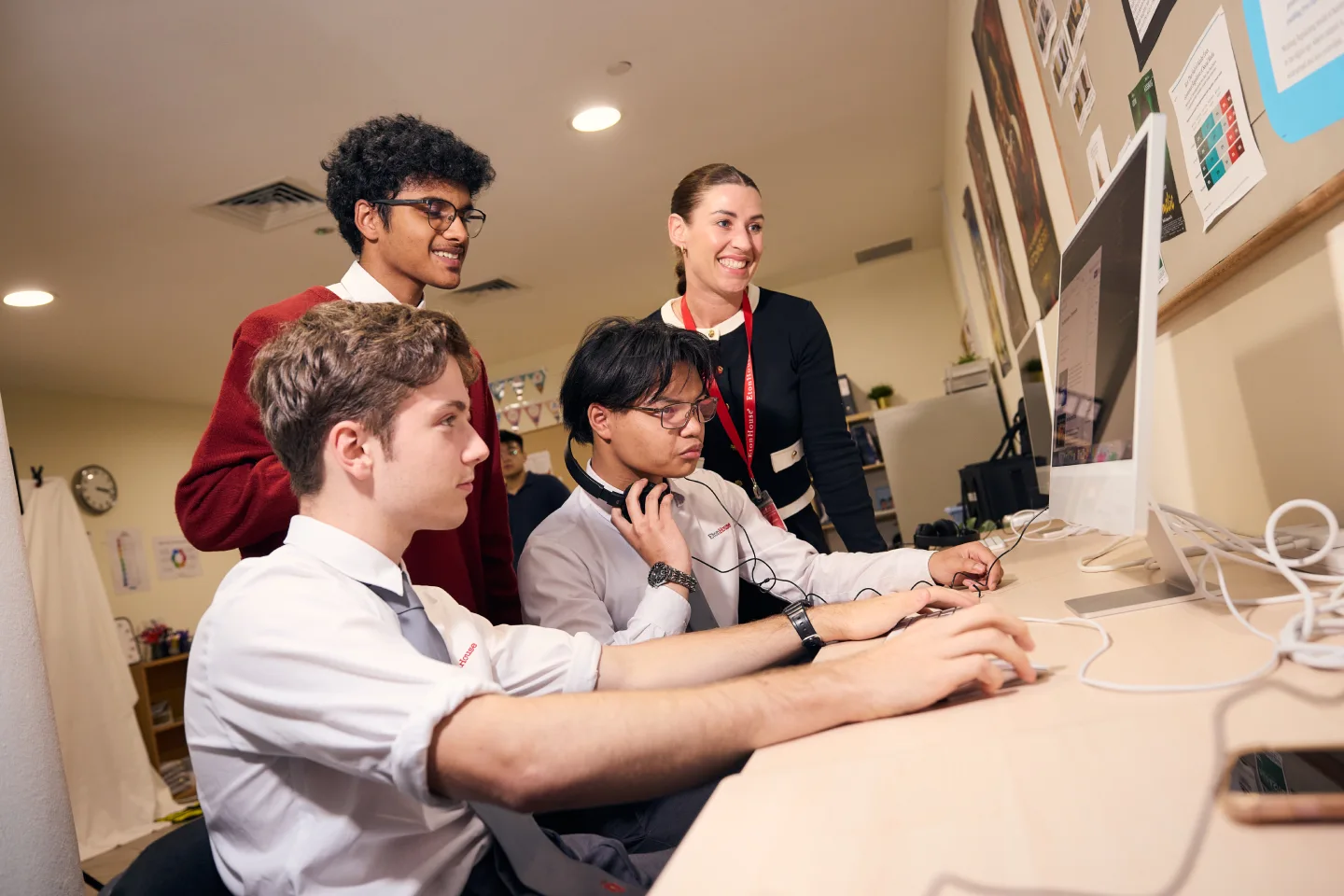
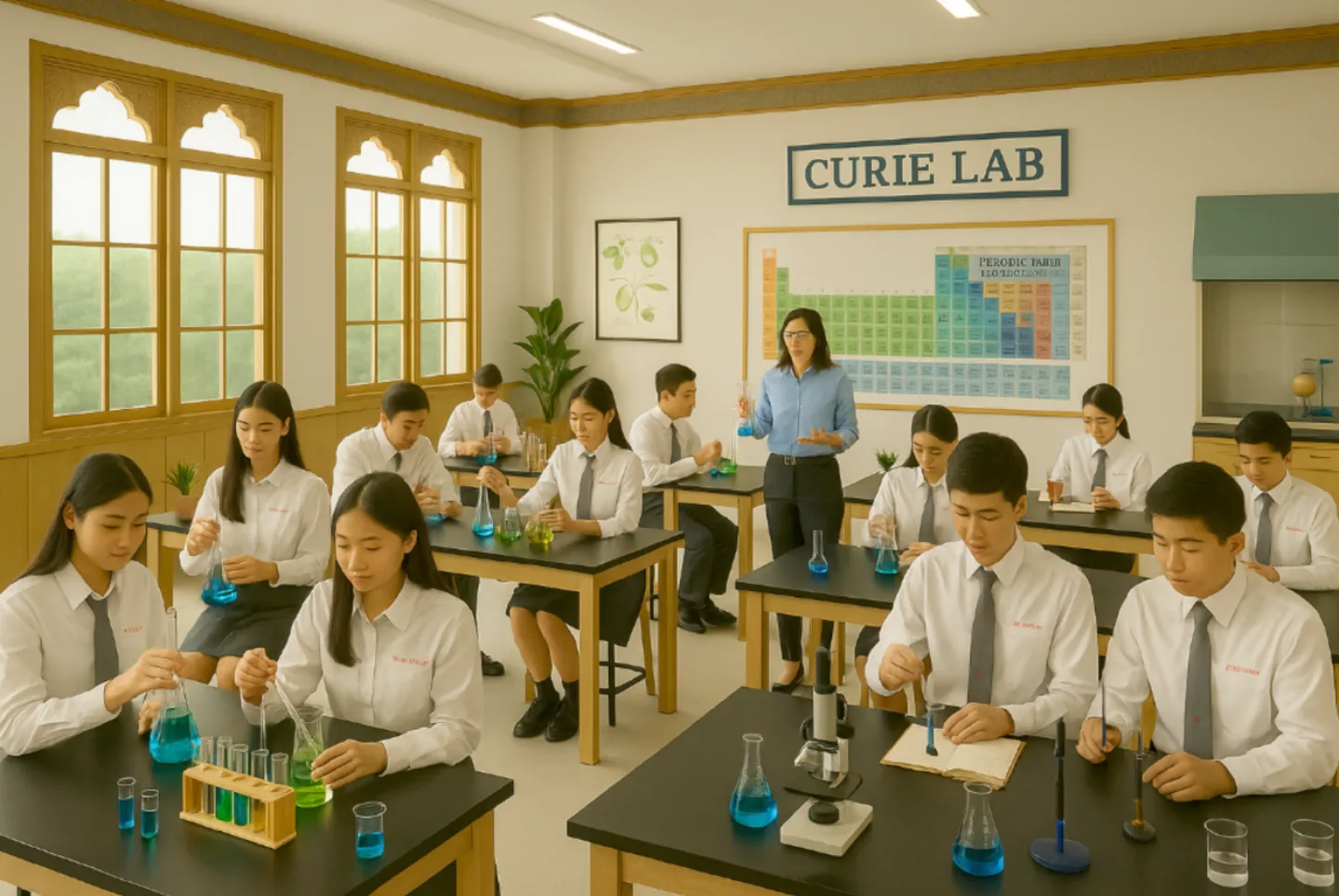
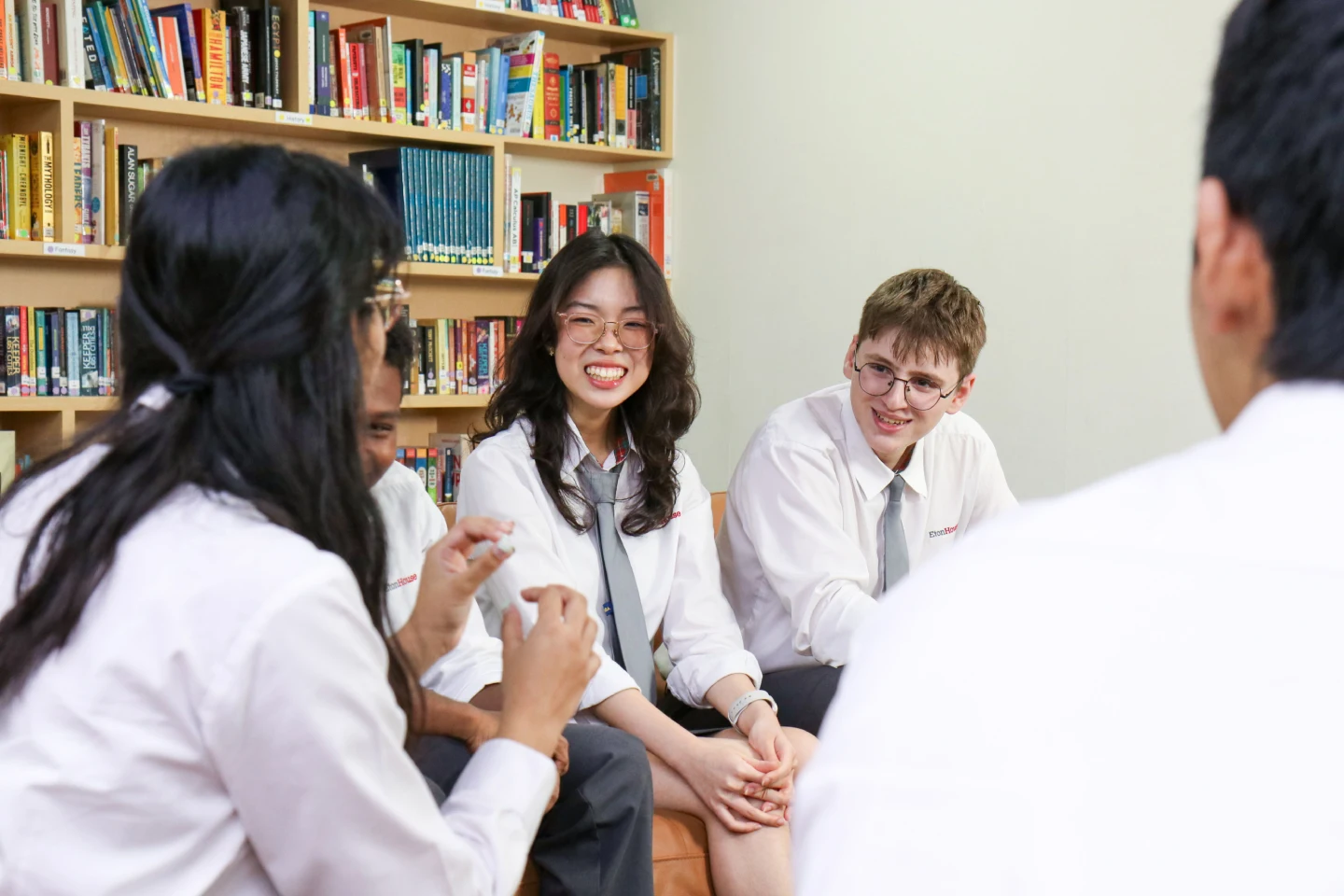
Students from our Primary Years programme progress seamlessly into Cambridge Lower Secondary, IGCSE, and Cambridge International A Level qualifications. Each stage of the curriculum is carefully structured to strengthen academic foundations, develop critical thinking, encourage independent learning, and prepare students for higher education and future opportunities in an increasingly global world.

Bhutanese History and Dzongkha remain an integral part of the learning experience, helping students stay connected to Bhutan’s culture, heritage, language, and national identity. This is complemented by a multilingual language programme offering English, Dzongkha, and Mandarin, which supports stronger communication skills and greater cultural awareness. Alongside academic learning, we place a strong emphasis on STEAM, sustainability, creativity, character development, and holistic wellbeing, ensuring that students grow intellectually, socially, emotionally, and personally.

Secondary
(11-16 years old)

• Cambridge Lower Secondary Curriculum
• Cambridge IGCSE
Sixth Form
(16-18 years old)

• Cambridge International A-Levels

Curious why EtonHouse is the preferred international school by parents over the world?

Join us for a tour to find out how we support and set your child up for success.

Curious why EtonHouse is the preferred international school by parents over the world?

Join us for a tour to find out how we support and set your child up for success.